
When the Energy Transition Meets Investment Protection
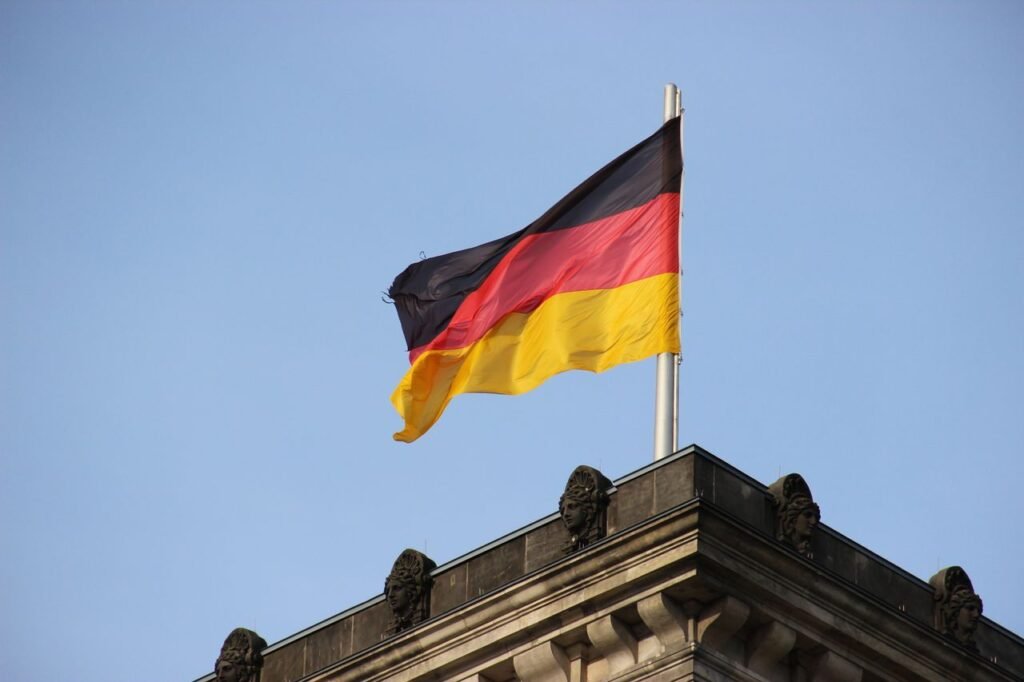
Vattenfall AB and Others v Federal Republic of Germany (II) (ICSID Case No ARB/12/12), Decision on the Achmea Issue, 31 August 2018; proceedings discontinued following settlement, 9 November 2021.
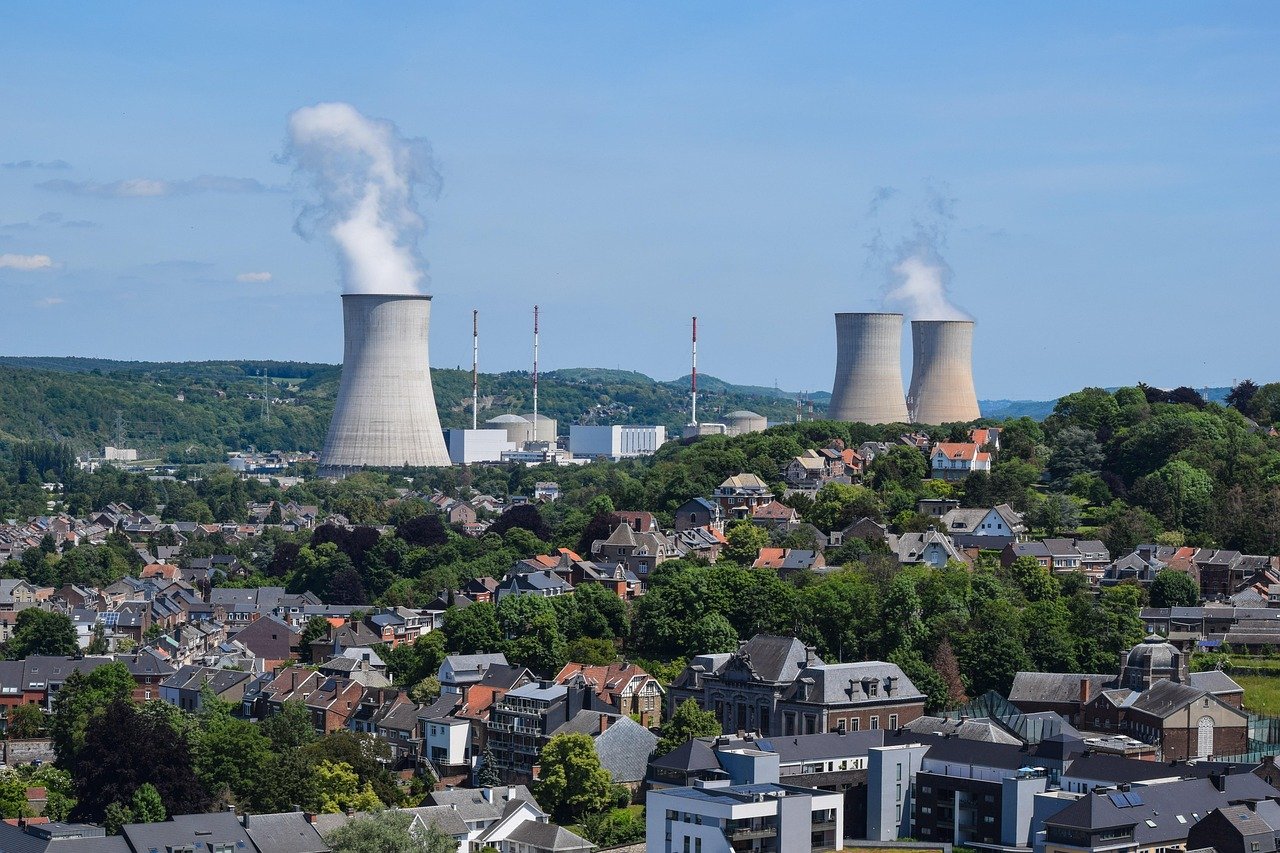
Vattenfall v Germany rose from Germany’s decision to accelerate the phase-out of nuclear power following the Fukushima nuclear disaster in 2011. Vattenfall and its co-investors held interests in the Brunsbüttel and Krümmel nuclear power plants in Germany and challenged measures affecting those investments under the Energy Charter Treaty (ECT).1
The dispute brought a major question of energy governance into investment arbitration:
How far can a State alter its energy policy without incurring liability under an investment treaty?
Vattenfall alleged that Germany’s measures breached several ECT obligations, including the prohibition of indirect expropriation and the obligation to accord fair and equitable treatment. The claim was estimated at approximately €4.7 billion.2
The case became particularly significant after the Court of Justice of the European Union (CJEU) delivered its judgment in Achmea in March 2018. Germany argued that the reasoning in Achmea meant that an intra-EU arbitration under Article 26 of the ECT was incompatible with EU law and that the Tribunal therefore lacked jurisdiction.3
The Achmea Issue (Tribunal Reasoning)
The Tribunal’s 2018 decision addressed a question that went beyond the underlying nuclear dispute:
Could an investor from one EU Member State invoke the ECT’s arbitration mechanism against another EU Member State?
Germany argued that EU law prevailed and that the ECT could not provide a valid basis for intra-EU arbitration. The Tribunal rejected that interpretation. It began with the text of Article 26 ECT, which provides for investor-State dispute settlement between investors of one Contracting Party and another Contracting Party, and found no textual exclusion of disputes between EU Member States.4
The Tribunal also emphasised the distinctive character of the ECT. Unlike the bilateral investment treaty considered by the CJEU in Achmea, the ECT is a multilateral treaty involving the European Union itself as a Contracting Party, alongside EU Member States and non-EU States. The Tribunal considered this distinction relevant to the interpretation of Article 26.5
The Tribunal further relied on Article 16 ECT, which addresses conflicts between the ECT and other international agreements concerning the same subject matter. It concluded that the ECT could not be interpreted as silently removing the dispute-settlement rights expressly granted by Article 26.6
The Tribunal therefore concluded that Achmea did not prevent it from exercising jurisdiction over the intra-EU dispute. In particular, it held that Article 26 ECT contained no carve-out excluding EU investors from bringing arbitration against EU Member States.7
International Arbitration and EU Law
The significance of Vattenfall lies partly in the institutional question it exposed.
The Tribunal approached its jurisdiction through the ECT and international law, rather than treating EU law as automatically controlling the interpretation of the ECT. It rejected the argument that Articles 267 and 344 TFEU necessarily conflicted with Article 26 ECT, observing that the relevant provisions could operate within their respective spheres.8
This position placed the Tribunal’s interpretation in direct tension with the CJEU’s approach to intra-EU investor-State arbitration. The Tribunal itself acknowledged that Achmea had interpreted EU law in a manner that implied a conflict between the EU Treaties and the arbitration mechanism in the Dutch-Slovak BIT. However, it considered that Achmea had not specifically addressed intra-EU arbitration under the ECT and declined to extend the CJEU’s reasoning to the ECT without a more specific basis for doing so.9
The decision therefore illustrates a fundamental feature of international investment arbitration: different legal orders may claim authority over the same dispute. The question was not merely whether Germany’s nuclear policy violated investment protection standards, but also which legal framework governed the Tribunal’s authority to hear that claim.
The Outcome
Vattenfall never reached a final decision on whether Germany had breached the ECT.
Following the Tribunal’s 2018 jurisdictional decision, the arbitration continued into the merits and quantum stages. The proceedings were ultimately discontinued after Germany and the claimants reached a settlement in 2021. Under the settlement, €1.425 billion was paid to the claimants.10
The settlement is important when interpreting the case: the €1.425 billion was compensation agreed through settlement, not an arbitral award following a finding that Germany had breached the ECT. UNCTAD accordingly records the case as settled and identifies no treaty breaches as having been found.11
Why the Case Matters for ISDS
Vattenfall demonstrates how investment arbitration can become entangled with major questions of public policy and regulatory change.
The underlying dispute concerned a fundamental energy-policy decision: Germany’s accelerated transition away from nuclear power. The case therefore illustrates the tension that can arise when States substantially alter regulatory frameworks in response to public-policy objectives while foreign investors argue that those changes have impaired the value of their investments.
At the same time, the Achmea proceedings shifted the focus from substantive investment protection to the institutional legitimacy and legal basis of intra-EU arbitration. The Tribunal’s decision demonstrates how the interpretation of an investment treaty can become contested not only between investor and State, but also between different legal orders.
The case is therefore useful for understanding three interconnected dimensions of modern ISDS:
Investment protection: the limits imposed by treaty standards on State regulatory action;
Energy governance: the interaction between investment protection and major changes in energy policy; and
Institutional authority: the relationship between investment tribunals, EU law and regional judicial institutions.
Vattenfall ultimately did not determine whether Germany’s nuclear phase-out violated the ECT. Its lasting significance lies instead in the jurisdictional question it confronted:
Who determines whether an international investment arbitration mechanism remains available when international investment law and a regional legal order claim different answers?
Key Takeaway
Vattenfall v Germany shows how a dispute over energy policy can become a dispute about the relationship between investment protection, State regulatory authority and competing legal orders.
FOOTNOTES
- Vattenfall AB and Others v Federal Republic of Germany (II) (ICSID Case No ARB/12/12), Decision on the Achmea Issue, 31 August 2018, paras 18–25. ICSID identifies the dispute as concerning Vattenfall’s interests in the Brunsbüttel and Krümmel nuclear power plants and Germany’s nuclear phase-out legislation. ↩︎
- Energy Charter Secretariat, List of ECT Dispute Cases, recording an estimated claim of €4.7 billion and the alleged breaches including indirect expropriation and fair and equitable treatment. . ↩︎
- Vattenfall (n 1) paras 27–33, 113–129. The Tribunal considered the relevance of the CJEU’s Achmea judgment to its jurisdiction under Article 26 ECT. ↩︎
- Vattenfall (n 1) paras 123–125, 171–176. ↩︎
- Vattenfall (n 1) paras 145–150, 153–164. The Tribunal considered the ECT’s multilateral character and the participation of the European Union in the treaty. ↩︎
- Vattenfall (n 1) paras 192–203. The Tribunal considered Article 16 ECT and concluded that the provision supported the continued operation of Article 26’s dispute-settlement mechanism. ↩︎
- Vattenfall (n 1) paras 207–208. The Tribunal held that Article 26 ECT contained no exclusion of intra-EU disputes. ↩︎
- Vattenfall (n 1) paras 211–214. The Tribunal concluded that it was not established that Articles 267 and 344 TFEU conflicted with Article 26 ECT and distinguished the ECT from the bilateral treaty considered in Achmea. ↩︎
- Vattenfall (n 1) paras 161–167, 211–214. ↩︎
- UNCTAD, Investment Dispute Settlement Navigator, Vattenfall v Germany (II), recording settlement compensation of €1.425 billion and the discontinuance order dated 9 November 2021. ↩︎
- ibid. UNCTAD expressly records that the case was settled and that no treaty breach was found because the proceedings ended before a decision on liability. ↩︎

Leave a Reply