
Author: Diana Kanyuithia
-

The Future: Reforming ISDS for a Changing World
Reforming ISDS: From Dispute Settlement to Dispute Governance Investor–State Dispute Settlement (ISDS) is no longer a settled field. For much of its modern history, investment arbitration developed through a network of bilateral investment treaties, multilateral instruments, investment contracts and arbitration rules. Tribunals interpreted treaty standards, States responded by renegotiating treaties and reforming domestic investment policies,…
-

Case File 11 | Vattenfall v Germany
When the Energy Transition Meets Investment Protection Vattenfall v Germany rose from Germany’s decision to accelerate the phase-out of nuclear power following the Fukushima nuclear disaster in 2011. Vattenfall and its co-investors held interests in the Brunsbüttel and Krümmel nuclear power plants in Germany and challenged measures affecting those investments under the Energy Charter Treaty…
-

Case File 10 | Burlington v Ecuador
When Environmental Harm Becomes an Investor Counterclaim Burlington v Ecuador is a particularly important case for the development of State counterclaims for environmental harm in investment arbitration. The Dispute: Burlington invested in Ecuador’s oil sector through participation in hydrocarbon concessions covering Blocks 7 and 21 in the Ecuadorian Amazon. The dispute arose after Ecuador terminated…
-

National Investment Governance in East Africa: Law, Investor Protection and Community Rights
Investment Governance in East Africa: Balancing Investment protection, State Interests and Community Rights East African countries, particularly Kenya, Uganda, and Tanzania, have a comprehensive national legal and regulatory framework that governs foreign investment. These laws aim to create an environment that not only enables the attraction of foreign investment but also safeguards the sustainable development…
-

Investor-State Dispute Settlement (ISDS) Institutions: A Global Guide
Understanding the ISDS institutions, rules and procedural frameworks that shape investor–State arbitration Investor–State Dispute Settlement (ISDS) does not operate through a single international court. Instead, investors and States may resolve investment disputes through several institutional and ad hoc mechanisms, depending on the consent contained in an investment treaty, investment contract, domestic investment legislation or other…
-

Case File 9 | Philip Morris v Uruguay
What happens when a State’s public-health regulations affect the value and use of a foreign investment? Philip Morris v Uruguay placed that question at the centre of an ICSID arbitration concerning tobacco control, trademarks and the State’s regulatory authority.
-

Case File 8 | Urbaser v Argentina
What happens when an investment dispute concerns a service essential to the enjoyment of a fundamental human right? Urbaser v Argentina placed the right to water, investor responsibilities and State counterclaims at the centre of an investment arbitration.
-

Case File 07 | Heritage Oil & Gas Limited v URA (Uganda Revenue Authority)
When a Contractual Arbitration Clause Meets Statutory Tax Power The dispute Heritage Oil & Gas v URA (Uganda Revenue Authority) arose out of a petroleum Production Sharing Agreement concluded between Heritage and the Government of Uganda. The PSA contained an UNCITRAL arbitration clause for disputes that could not be amicably resolved. Heritage subsequently sold its…
-
Case File 06 | Nachingwea v Tanzania
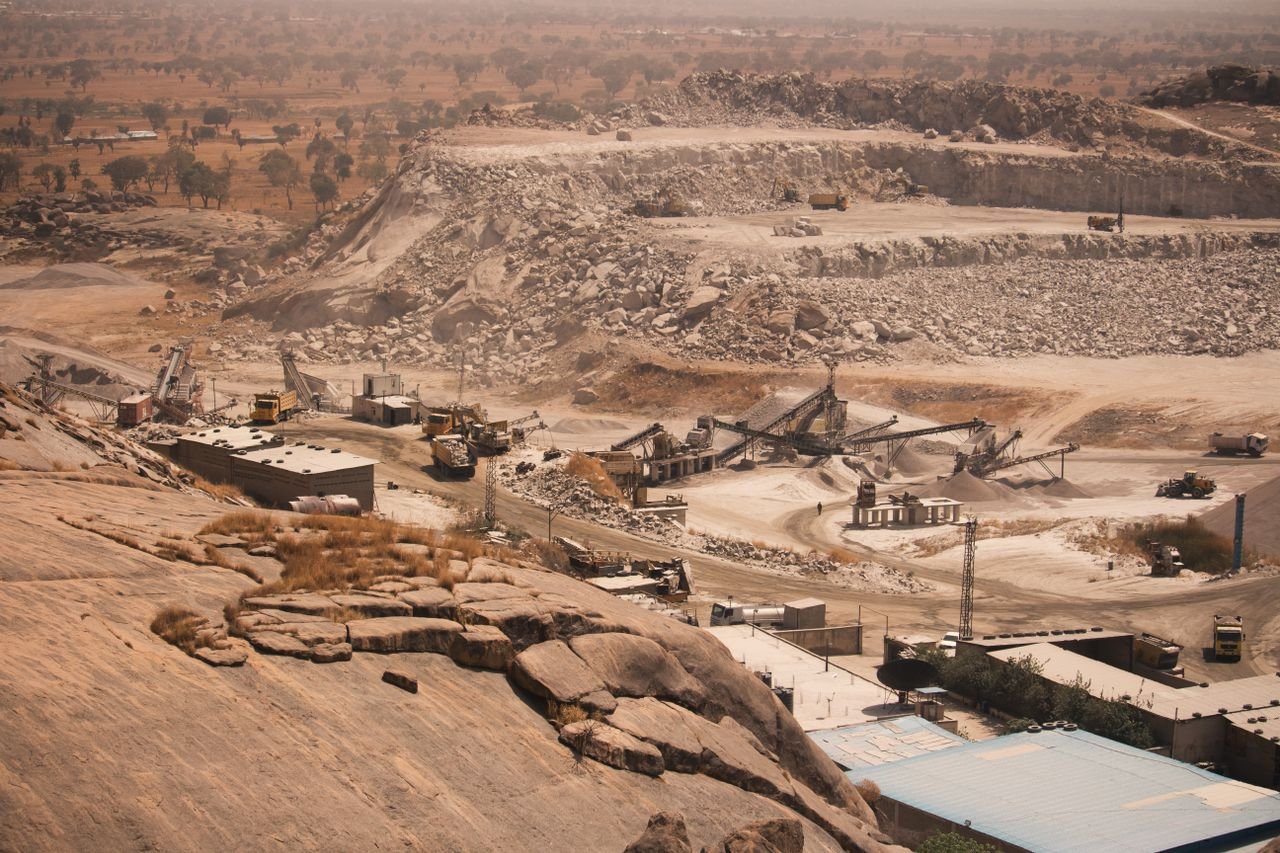
Mining-Licence Cancellation and the Boundary Between Regulation and Expropriation The dispute Nachingwea v Tanzania concerned the Ntaka Hill Nickel Project in south-eastern Tanzania. The claimants’ group had developed the project over many years and held rights associated with mining licences and retention rights over the project area. The dispute arose following legislative and regulatory reforms…
-

ISDS in Practice: ICSID and UNCITRAL compared
Two Procedural Pathways from Investment Disputes to Award and Enforcement International investment disputes do not all proceed through the same procedural framework. Although ICSID and UNCITRAL arbitration are both frequently used in investor–State dispute settlement (ISDS), they operate within different legal architectures. Understanding that distinction is essential because the mechanism selected can affect how the…
-

Case File 05 | World Duty Free v Kenya
Corruption, Transnational Public Policy and the Limits of Investment Protection The Dispute: World Duty Free v Kenya concerned a contractual dispute arising from the claimant’s involvement in Kenya’s duty-free airport business. The claimant alleged that Kenya had interfered with its investment and sought relief through ICSID arbitration. Kenya’s response was unusually fundamental: it argued that…
-

Case File 04 | Bear Creek Mining Corporation v Peru
Community Opposition, Social Licence and Investor Protection The Dispute: Bear Creek Mining Corporation v Peru concerned the proposed Santa Ana silver mining project in the Puno region of Peru. Bear Creek, a Canadian mining company, held mining concessions associated with the project and alleged that Peru had breached the Canada–Peru Free Trade Agreement after the…
-

Who Governs Investments? Kenya, Uganda and Tanzania Compared
How East African investment governance is structured across national investment authorities, entry mechanisms, regulatory oversight and strategic investment frameworks. Who Governs Investments in Kenya, Uganda and Tanzania? Investment law often speaks about “the State” as though it were a unified legal personality. Investment governance is anything but unified. Behind a major investment project may sit…
-

Communities Left Behind: Power and Investment Projects
Investment law is often described as technical, specialised, even neutral. Yet the rules that govern cross-border investment are not impartial; they reflect particular interests and priorities, protecting capital while leaving communities vulnerable to disruption. Large-scale investment reshapes governance itself: it constrains state regulation, locks in policy choices, and externalises social and environmental costs to local…
-

Case File 03 | Total E & P Uganda v Uganda
Taxation, Treaty Protection and Settlement Before the Merits The dispute Total E & P Uganda BV v Uganda arose from an investment in Uganda’s oil sector and involved allegations concerning taxation. The case was brought under the Netherlands–Uganda BIT and the ICSID Convention.1 Unlike Cortec, Biwater or Nachingwea, however, the dispute never reached a published…